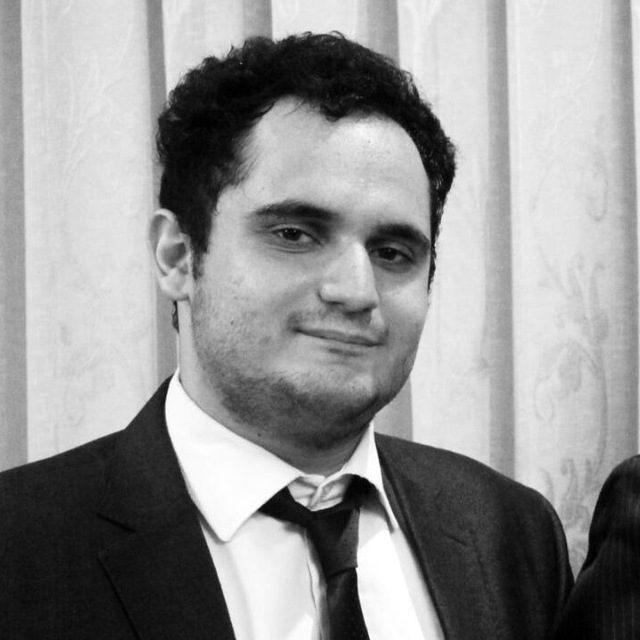
Peymanaithree-quarter profile
three-quarter profile
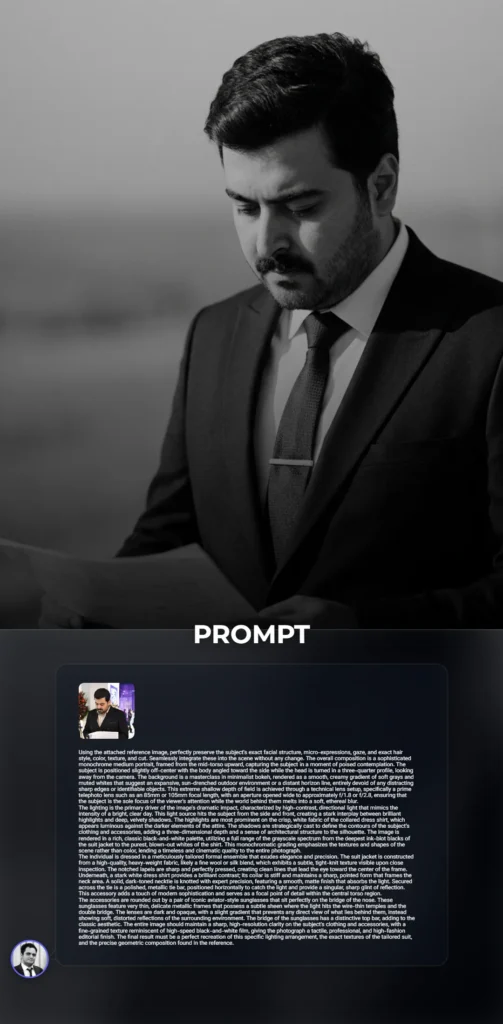
Sophisticated Monochrome Tailored Suit Portrait with Aviator SunglassesUsing the attached reference image, perfectly preserve the subject's exact facial structure, micro-expressions, gaze, and exact hair style, color, texture, and cut. Seamlessly integrate these into the scene without any change. The overall composition is a sophisticated monochrome medium portrait, framed from the mid-torso upward, capturing the subject in a moment of poised contemplation. The subject is positioned slightly off-center with the body angled toward the side while the head is turned in a three-quarter profile, looking away from the camera. The background is a masterclass in minimalist bokeh, rendered as a smooth, creamy gradient of soft grays and muted whites that suggest an expansive, sun-drenched outdoor environment or a distant horizon line, entirely devoid of any distracting sharp edges or identifiable objects. This extreme shallow depth of field is achieved through a technical lens setup, specifically a prime telephoto lens such as an 85mm or 105mm focal length, with an aperture opened wide to approximately f/1.8 or f/2.8, ensuring that the subject is the sole focus of the viewer's attention while the world behind them melts into a soft, ethereal blur.
The lighting is the primary driver of the image's dramatic impact, characterized by high-contrast, directional light that mimics the intensity of a bright, clear day. This light source hits the subject from the side and front, creating a stark interplay between brilliant highlights and deep, velvety shadows. The highlights are most prominent on the crisp, white fabric of the collared dress shirt, which appears luminous against the darker elements of the attire. The shadows are strategically cast to define the contours of the subject’s clothing and accessories, adding a three-dimensional depth and a sense of architectural structure to the silhouette. The image is rendered in a rich, classic black-and-white palette, utilizing a full range of the grayscale spectrum from the deepest ink-blot blacks of the suit jacket to the purest, blown-out whites of the shirt. This monochromatic grading emphasizes the textures and shapes of the scene rather than color, lending a timeless and cinematic quality to the entire photograph.
The individual is dressed in a meticulously tailored formal ensemble that exudes elegance and precision. The suit jacket is constructed from a high-quality, heavy-weight fabric, likely a fine wool or silk blend, which exhibits a subtle, tight-knit texture visible upon close inspection. The notched lapels are sharp and perfectly pressed, creating clean lines that lead the eye toward the center of the frame. Underneath, a stark white dress shirt provides a brilliant contrast; its collar is stiff and maintains a sharp, pointed form that frames the neck area. A solid, dark-toned necktie is knotted with expert precision, featuring a smooth, matte finish that absorbs the light. Secured across the tie is a polished, metallic tie bar, positioned horizontally to catch the light and provide a singular, sharp glint of reflection. This accessory adds a touch of modern sophistication and serves as a focal point of detail within the central torso region.
The accessories are rounded out by a pair of iconic aviator-style sunglasses that sit perfectly on the bridge of the nose. These sunglasses feature very thin, delicate metallic frames that possess a subtle sheen where the light hits the wire-thin temples and the double bridge. The lenses are dark and opaque, with a slight gradient that prevents any direct view of what lies behind them, instead showing soft, distorted reflections of the surrounding environment. The bridge of the sunglasses has a distinctive top bar, adding to the classic aesthetic. The entire image should maintain a sharp, high-resolution clarity on the subject's clothing and accessories, with a fine-grained texture reminiscent of high-speed black-and-white film, giving the photograph a tactile, professional, and high-fashion editorial finish. The final result must be a perfect recreation of this specific lighting arrangement, the exact textures of the tailored suit, and the precise geometric composition found in the reference.
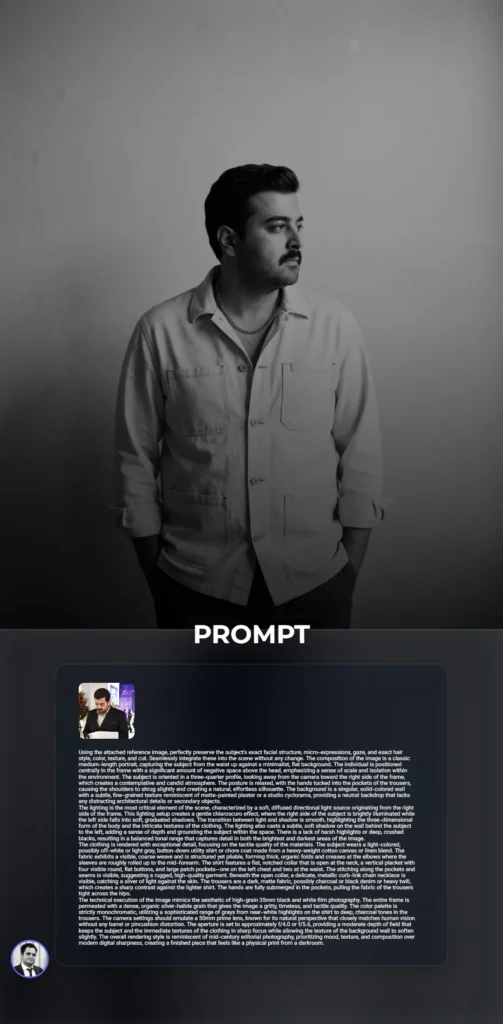
High-Grain 35mm Monochrome Portrait Prompt for Cinematic Minimalist Photography StylesUsing the attached reference image, perfectly preserve the subject's exact facial structure, micro-expressions, gaze, and exact hair style, color, texture, and cut. Seamlessly integrate these into the scene without any change. The composition of the image is a classic medium-length portrait, capturing the subject from the waist up against a minimalist, flat background. The individual is positioned centrally in the frame with a significant amount of negative space above the head, emphasizing a sense of scale and isolation within the environment. The subject is oriented in a three-quarter profile, looking away from the camera toward the right side of the frame, which creates a contemplative and candid atmosphere. The posture is relaxed, with the hands tucked into the pockets of the trousers, causing the shoulders to shrug slightly and creating a natural, effortless silhouette. The background is a singular, solid-colored wall with a subtle, fine-grained texture reminiscent of matte-painted plaster or a studio cyclorama, providing a neutral backdrop that lacks any distracting architectural details or secondary objects.
The lighting is the most critical element of the scene, characterized by a soft, diffused directional light source originating from the right side of the frame. This lighting setup creates a gentle chiaroscuro effect, where the right side of the subject is brightly illuminated while the left side falls into soft, graduated shadows. The transition between light and shadow is smooth, highlighting the three-dimensional form of the body and the intricate textures of the clothing. The lighting also casts a subtle, soft shadow on the wall behind the subject to the left, adding a sense of depth and grounding the subject within the space. There is a lack of harsh highlights or deep, crushed blacks, resulting in a balanced tonal range that captures detail in both the brightest and darkest areas of the image.
The clothing is rendered with exceptional detail, focusing on the tactile quality of the materials. The subject wears a light-colored, possibly off-white or light gray, button-down utility shirt or chore coat made from a heavy-weight cotton canvas or linen blend. The fabric exhibits a visible, coarse weave and is structured yet pliable, forming thick, organic folds and creases at the elbows where the sleeves are roughly rolled up to the mid-forearm. The shirt features a flat, notched collar that is open at the neck, a vertical placket with four visible round, flat buttons, and large patch pockets—one on the left chest and two at the waist. The stitching along the pockets and seams is visible, suggesting a rugged, high-quality garment. Beneath the open collar, a delicate, metallic curb-link chain necklace is visible, catching a sliver of light against the skin. The trousers are a dark, matte fabric, possibly charcoal or black denim or heavy twill, which creates a sharp contrast against the lighter shirt. The hands are fully submerged in the pockets, pulling the fabric of the trousers tight across the hips.
The technical execution of the image mimics the aesthetic of high-grain 35mm black and white film photography. The entire frame is permeated with a dense, organic silver-halide grain that gives the image a gritty, timeless, and tactile quality. The color palette is strictly monochromatic, utilizing a sophisticated range of grays from near-white highlights on the shirt to deep, charcoal tones in the trousers. The camera settings should emulate a 50mm prime lens, known for its natural perspective that closely matches human vision without any barrel or pincushion distortion. The aperture is set to approximately f/4.0 or f/5.6, providing a moderate depth of field that keeps the subject and the immediate textures of the clothing in sharp focus while allowing the texture of the background wall to soften slightly. The overall rendering style is reminiscent of mid-century editorial photography, prioritizing mood, texture, and composition over modern digital sharpness, creating a finished piece that feels like a physical print from a darkroom.
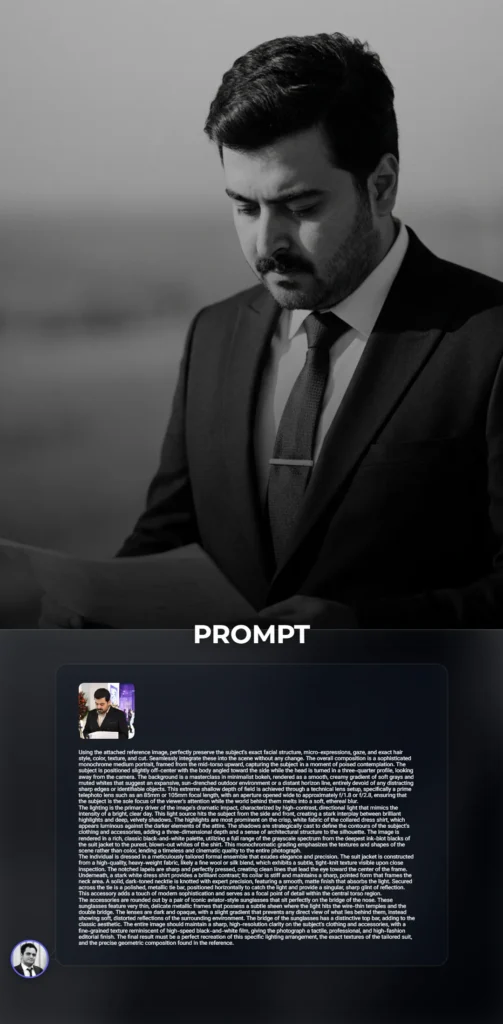
Sophisticated Monochrome Tailored Suit Portrait with Aviator SunglassesUsing the attached reference image, perfectly preserve the subject's exact facial structure, micro-expressions, gaze, and exact hair style, color, texture, and cut. Seamlessly integrate these into the scene without any change. The overall composition is a sophisticated monochrome medium portrait, framed from the mid-torso upward, capturing the subject in a moment of poised contemplation. The subject is positioned slightly off-center with the body angled toward the side while the head is turned in a three-quarter profile, looking away from the camera. The background is a masterclass in minimalist bokeh, rendered as a smooth, creamy gradient of soft grays and muted whites that suggest an expansive, sun-drenched outdoor environment or a distant horizon line, entirely devoid of any distracting sharp edges or identifiable objects. This extreme shallow depth of field is achieved through a technical lens setup, specifically a prime telephoto lens such as an 85mm or 105mm focal length, with an aperture opened wide to approximately f/1.8 or f/2.8, ensuring that the subject is the sole focus of the viewer's attention while the world behind them melts into a soft, ethereal blur.
The lighting is the primary driver of the image's dramatic impact, characterized by high-contrast, directional light that mimics the intensity of a bright, clear day. This light source hits the subject from the side and front, creating a stark interplay between brilliant highlights and deep, velvety shadows. The highlights are most prominent on the crisp, white fabric of the collared dress shirt, which appears luminous against the darker elements of the attire. The shadows are strategically cast to define the contours of the subject’s clothing and accessories, adding a three-dimensional depth and a sense of architectural structure to the silhouette. The image is rendered in a rich, classic black-and-white palette, utilizing a full range of the grayscale spectrum from the deepest ink-blot blacks of the suit jacket to the purest, blown-out whites of the shirt. This monochromatic grading emphasizes the textures and shapes of the scene rather than color, lending a timeless and cinematic quality to the entire photograph.
The individual is dressed in a meticulously tailored formal ensemble that exudes elegance and precision. The suit jacket is constructed from a high-quality, heavy-weight fabric, likely a fine wool or silk blend, which exhibits a subtle, tight-knit texture visible upon close inspection. The notched lapels are sharp and perfectly pressed, creating clean lines that lead the eye toward the center of the frame. Underneath, a stark white dress shirt provides a brilliant contrast; its collar is stiff and maintains a sharp, pointed form that frames the neck area. A solid, dark-toned necktie is knotted with expert precision, featuring a smooth, matte finish that absorbs the light. Secured across the tie is a polished, metallic tie bar, positioned horizontally to catch the light and provide a singular, sharp glint of reflection. This accessory adds a touch of modern sophistication and serves as a focal point of detail within the central torso region.
The accessories are rounded out by a pair of iconic aviator-style sunglasses that sit perfectly on the bridge of the nose. These sunglasses feature very thin, delicate metallic frames that possess a subtle sheen where the light hits the wire-thin temples and the double bridge. The lenses are dark and opaque, with a slight gradient that prevents any direct view of what lies behind them, instead showing soft, distorted reflections of the surrounding environment. The bridge of the sunglasses has a distinctive top bar, adding to the classic aesthetic. The entire image should maintain a sharp, high-resolution clarity on the subject's clothing and accessories, with a fine-grained texture reminiscent of high-speed black-and-white film, giving the photograph a tactile, professional, and high-fashion editorial finish. The final result must be a perfect recreation of this specific lighting arrangement, the exact textures of the tailored suit, and the precise geometric composition found in the reference.

High-Grain 35mm Monochrome Portrait Prompt for Cinematic Minimalist Photography StylesUsing the attached reference image, perfectly preserve the subject's exact facial structure, micro-expressions, gaze, and exact hair style, color, texture, and cut. Seamlessly integrate these into the scene without any change. The composition of the image is a classic medium-length portrait, capturing the subject from the waist up against a minimalist, flat background. The individual is positioned centrally in the frame with a significant amount of negative space above the head, emphasizing a sense of scale and isolation within the environment. The subject is oriented in a three-quarter profile, looking away from the camera toward the right side of the frame, which creates a contemplative and candid atmosphere. The posture is relaxed, with the hands tucked into the pockets of the trousers, causing the shoulders to shrug slightly and creating a natural, effortless silhouette. The background is a singular, solid-colored wall with a subtle, fine-grained texture reminiscent of matte-painted plaster or a studio cyclorama, providing a neutral backdrop that lacks any distracting architectural details or secondary objects.
The lighting is the most critical element of the scene, characterized by a soft, diffused directional light source originating from the right side of the frame. This lighting setup creates a gentle chiaroscuro effect, where the right side of the subject is brightly illuminated while the left side falls into soft, graduated shadows. The transition between light and shadow is smooth, highlighting the three-dimensional form of the body and the intricate textures of the clothing. The lighting also casts a subtle, soft shadow on the wall behind the subject to the left, adding a sense of depth and grounding the subject within the space. There is a lack of harsh highlights or deep, crushed blacks, resulting in a balanced tonal range that captures detail in both the brightest and darkest areas of the image.
The clothing is rendered with exceptional detail, focusing on the tactile quality of the materials. The subject wears a light-colored, possibly off-white or light gray, button-down utility shirt or chore coat made from a heavy-weight cotton canvas or linen blend. The fabric exhibits a visible, coarse weave and is structured yet pliable, forming thick, organic folds and creases at the elbows where the sleeves are roughly rolled up to the mid-forearm. The shirt features a flat, notched collar that is open at the neck, a vertical placket with four visible round, flat buttons, and large patch pockets—one on the left chest and two at the waist. The stitching along the pockets and seams is visible, suggesting a rugged, high-quality garment. Beneath the open collar, a delicate, metallic curb-link chain necklace is visible, catching a sliver of light against the skin. The trousers are a dark, matte fabric, possibly charcoal or black denim or heavy twill, which creates a sharp contrast against the lighter shirt. The hands are fully submerged in the pockets, pulling the fabric of the trousers tight across the hips.
The technical execution of the image mimics the aesthetic of high-grain 35mm black and white film photography. The entire frame is permeated with a dense, organic silver-halide grain that gives the image a gritty, timeless, and tactile quality. The color palette is strictly monochromatic, utilizing a sophisticated range of grays from near-white highlights on the shirt to deep, charcoal tones in the trousers. The camera settings should emulate a 50mm prime lens, known for its natural perspective that closely matches human vision without any barrel or pincushion distortion. The aperture is set to approximately f/4.0 or f/5.6, providing a moderate depth of field that keeps the subject and the immediate textures of the clothing in sharp focus while allowing the texture of the background wall to soften slightly. The overall rendering style is reminiscent of mid-century editorial photography, prioritizing mood, texture, and composition over modern digital sharpness, creating a finished piece that feels like a physical print from a darkroom.
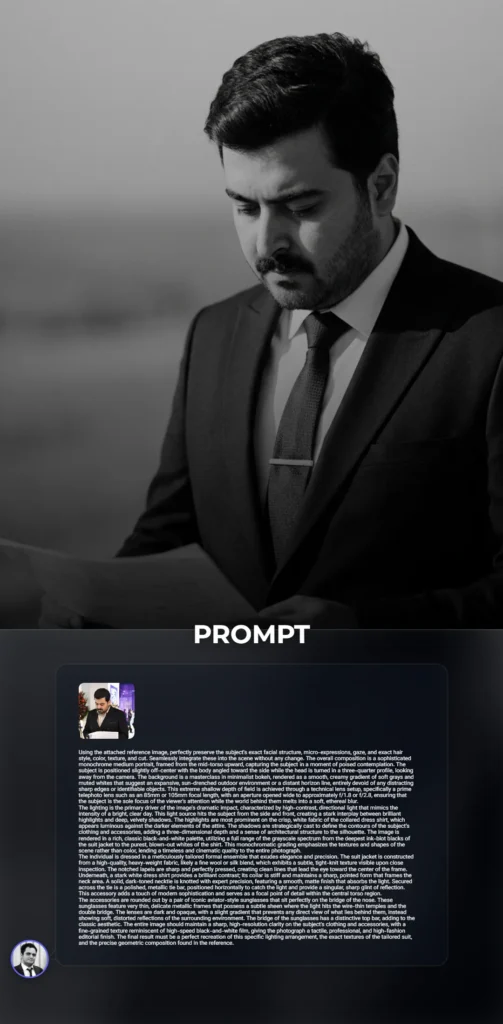
Sophisticated Monochrome Tailored Suit Portrait with Aviator SunglassesUsing the attached reference image, perfectly preserve the subject's exact facial structure, micro-expressions, gaze, and exact hair style, color, texture, and cut. Seamlessly integrate these into the scene without any change. The overall composition is a sophisticated monochrome medium portrait, framed from the mid-torso upward, capturing the subject in a moment of poised contemplation. The subject is positioned slightly off-center with the body angled toward the side while the head is turned in a three-quarter profile, looking away from the camera. The background is a masterclass in minimalist bokeh, rendered as a smooth, creamy gradient of soft grays and muted whites that suggest an expansive, sun-drenched outdoor environment or a distant horizon line, entirely devoid of any distracting sharp edges or identifiable objects. This extreme shallow depth of field is achieved through a technical lens setup, specifically a prime telephoto lens such as an 85mm or 105mm focal length, with an aperture opened wide to approximately f/1.8 or f/2.8, ensuring that the subject is the sole focus of the viewer's attention while the world behind them melts into a soft, ethereal blur.
The lighting is the primary driver of the image's dramatic impact, characterized by high-contrast, directional light that mimics the intensity of a bright, clear day. This light source hits the subject from the side and front, creating a stark interplay between brilliant highlights and deep, velvety shadows. The highlights are most prominent on the crisp, white fabric of the collared dress shirt, which appears luminous against the darker elements of the attire. The shadows are strategically cast to define the contours of the subject’s clothing and accessories, adding a three-dimensional depth and a sense of architectural structure to the silhouette. The image is rendered in a rich, classic black-and-white palette, utilizing a full range of the grayscale spectrum from the deepest ink-blot blacks of the suit jacket to the purest, blown-out whites of the shirt. This monochromatic grading emphasizes the textures and shapes of the scene rather than color, lending a timeless and cinematic quality to the entire photograph.
The individual is dressed in a meticulously tailored formal ensemble that exudes elegance and precision. The suit jacket is constructed from a high-quality, heavy-weight fabric, likely a fine wool or silk blend, which exhibits a subtle, tight-knit texture visible upon close inspection. The notched lapels are sharp and perfectly pressed, creating clean lines that lead the eye toward the center of the frame. Underneath, a stark white dress shirt provides a brilliant contrast; its collar is stiff and maintains a sharp, pointed form that frames the neck area. A solid, dark-toned necktie is knotted with expert precision, featuring a smooth, matte finish that absorbs the light. Secured across the tie is a polished, metallic tie bar, positioned horizontally to catch the light and provide a singular, sharp glint of reflection. This accessory adds a touch of modern sophistication and serves as a focal point of detail within the central torso region.
The accessories are rounded out by a pair of iconic aviator-style sunglasses that sit perfectly on the bridge of the nose. These sunglasses feature very thin, delicate metallic frames that possess a subtle sheen where the light hits the wire-thin temples and the double bridge. The lenses are dark and opaque, with a slight gradient that prevents any direct view of what lies behind them, instead showing soft, distorted reflections of the surrounding environment. The bridge of the sunglasses has a distinctive top bar, adding to the classic aesthetic. The entire image should maintain a sharp, high-resolution clarity on the subject's clothing and accessories, with a fine-grained texture reminiscent of high-speed black-and-white film, giving the photograph a tactile, professional, and high-fashion editorial finish. The final result must be a perfect recreation of this specific lighting arrangement, the exact textures of the tailored suit, and the precise geometric composition found in the reference.
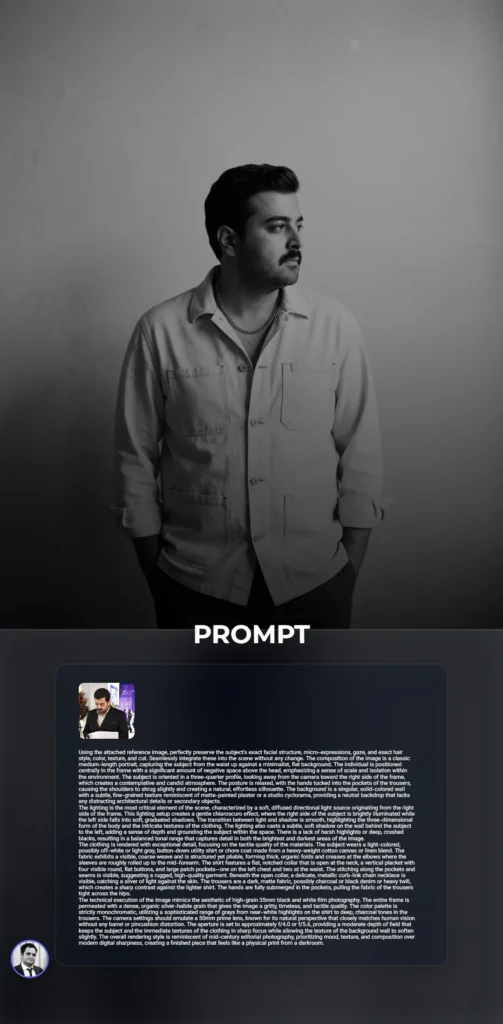
High-Grain 35mm Monochrome Portrait Prompt for Cinematic Minimalist Photography StylesUsing the attached reference image, perfectly preserve the subject's exact facial structure, micro-expressions, gaze, and exact hair style, color, texture, and cut. Seamlessly integrate these into the scene without any change. The composition of the image is a classic medium-length portrait, capturing the subject from the waist up against a minimalist, flat background. The individual is positioned centrally in the frame with a significant amount of negative space above the head, emphasizing a sense of scale and isolation within the environment. The subject is oriented in a three-quarter profile, looking away from the camera toward the right side of the frame, which creates a contemplative and candid atmosphere. The posture is relaxed, with the hands tucked into the pockets of the trousers, causing the shoulders to shrug slightly and creating a natural, effortless silhouette. The background is a singular, solid-colored wall with a subtle, fine-grained texture reminiscent of matte-painted plaster or a studio cyclorama, providing a neutral backdrop that lacks any distracting architectural details or secondary objects.
The lighting is the most critical element of the scene, characterized by a soft, diffused directional light source originating from the right side of the frame. This lighting setup creates a gentle chiaroscuro effect, where the right side of the subject is brightly illuminated while the left side falls into soft, graduated shadows. The transition between light and shadow is smooth, highlighting the three-dimensional form of the body and the intricate textures of the clothing. The lighting also casts a subtle, soft shadow on the wall behind the subject to the left, adding a sense of depth and grounding the subject within the space. There is a lack of harsh highlights or deep, crushed blacks, resulting in a balanced tonal range that captures detail in both the brightest and darkest areas of the image.
The clothing is rendered with exceptional detail, focusing on the tactile quality of the materials. The subject wears a light-colored, possibly off-white or light gray, button-down utility shirt or chore coat made from a heavy-weight cotton canvas or linen blend. The fabric exhibits a visible, coarse weave and is structured yet pliable, forming thick, organic folds and creases at the elbows where the sleeves are roughly rolled up to the mid-forearm. The shirt features a flat, notched collar that is open at the neck, a vertical placket with four visible round, flat buttons, and large patch pockets—one on the left chest and two at the waist. The stitching along the pockets and seams is visible, suggesting a rugged, high-quality garment. Beneath the open collar, a delicate, metallic curb-link chain necklace is visible, catching a sliver of light against the skin. The trousers are a dark, matte fabric, possibly charcoal or black denim or heavy twill, which creates a sharp contrast against the lighter shirt. The hands are fully submerged in the pockets, pulling the fabric of the trousers tight across the hips.
The technical execution of the image mimics the aesthetic of high-grain 35mm black and white film photography. The entire frame is permeated with a dense, organic silver-halide grain that gives the image a gritty, timeless, and tactile quality. The color palette is strictly monochromatic, utilizing a sophisticated range of grays from near-white highlights on the shirt to deep, charcoal tones in the trousers. The camera settings should emulate a 50mm prime lens, known for its natural perspective that closely matches human vision without any barrel or pincushion distortion. The aperture is set to approximately f/4.0 or f/5.6, providing a moderate depth of field that keeps the subject and the immediate textures of the clothing in sharp focus while allowing the texture of the background wall to soften slightly. The overall rendering style is reminiscent of mid-century editorial photography, prioritizing mood, texture, and composition over modern digital sharpness, creating a finished piece that feels like a physical print from a darkroom.